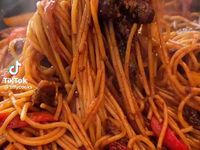
Mastering Classic Spaghetti and Meatballs: Easy Family Meal Prep
There are some dishes that transcend mere sustenance, evolving into symbols of comfort, togetherness, and cherished memories. Few encapsulate this sentiment quite like classic spaghetti and meatballs. It's a culinary hug on a plate, universally adored by all ages, and an undeniable crowd-pleaser. While its hearty appeal is evident, the thought of preparing it from scratch can sometimes feel daunting. Fear not! This guide will empower you to master this beloved Italian-American staple, transforming it into an easy, stress-free family meal, complete with smart meal prep strategies.
The Heart of the Dish: Crafting Unforgettable Meatballs
The secret to truly exceptional spaghetti and meatballs lies, undoubtedly, in the meatballs themselves. They should be tender, flavorful, and robust enough to stand up to a rich tomato sauce. Our approach focuses on achieving this perfection with ease.
- The Perfect Blend: While many recipes opt for ground beef, a blend of ground beef and ground pork offers superior flavor and moisture. The pork brings a richness that elevates the meatballs to another level. However, this recipe is wonderfully flexible. You can opt for all beef, all pork, or even leaner alternatives like ground turkey for a lighter version.
- Moisture is Key: Nobody wants dry, crumbly meatballs. The inclusion of milk in the mixture is a game-changer, ensuring they remain incredibly tender and juicy during cooking. Coupled with binders like breadcrumbs, eggs, and a touch of grated Parmesan cheese, the milk creates a perfectly moist texture without falling apart.
- Aromatic Foundation: Finely minced garlic, onion, and a generous dash of Italian seasoning are essential for building that signature savory depth. Fresh parsley or basil, finely chopped, can add a vibrant freshness.
- Bake Your Way to Bliss: One of the easiest and cleanest ways to cook meatballs for a large batch of spaghetti and meatballs is to bake them. This hands-off method ensures even cooking, less mess than pan-frying, and allows you to simultaneously focus on your sauce. Simply arrange them on a baking sheet and let your oven do the work. This also means the meatballs get lightly browned, developing a fantastic exterior crust before they even hit the sauce.
- Don't Overmix: A crucial tip for tender meatballs is to mix the ingredients just until combined. Overmixing can lead to tough meatballs, so handle them gently when forming those delightful, large spheres.
Simmering Perfection: The Signature Sauce
A great sauce is the unsung hero, enveloping the meatballs and pasta in a harmonious embrace. Our sauce for spaghetti and meatballs is incredibly simple yet bursts with authentic flavor, making it a perfect candidate for easy family meal prep.
- The Tomato Duo: We recommend using a combination of both crushed tomatoes and petite diced tomatoes. The crushed tomatoes provide a smooth, rich base, while the petite diced tomatoes add a pleasant texture and freshness, giving the sauce more body and character.
- Building Flavor: Starting with sautéed onion and garlic lays a fragrant foundation. Italian seasoning is your best friend here, delivering a blend of herbs that screams classic Italian. A handful of fresh basil, stirred in at the end, brightens everything up.
- The Speedy Shortcut: We all have those evenings when time is the ultimate luxury. For an even speedier dinner, don't hesitate to reach for a high-quality store-bought marinara sauce. Brands like Rao's are excellent choices that deliver fantastic flavor without any guilt, allowing you to get a delicious dinner on the table in record time. Just remember to simmer it with your cooked meatballs so they can absorb all that wonderful flavor.
- A Touch of Vino: While not strictly necessary, adding a splash of red wine to your simmering sauce can introduce an extra layer of complexity and depth. Choose a wine you genuinely enjoy drinking, as you'll likely have an open bottle on hand.
The Italian-American Journey of a Beloved Classic
While often perceived as a quintessential Italian dish, spaghetti and meatballs has a fascinating origin story rooted firmly in American culinary history. It's a testament to adaptation and culinary fusion, born from the ingenuity of Italian immigrants who arrived in the United States between 1880 and 1920. If you're curious to dive deeper into its rich backstory, check out our article on Spaghetti and Meatballs: An Italian-American Comfort Food History.
Traditional Italian polpette (meatballs) are typically much smaller, often served as an appetizer or a standalone second course, rarely paired directly with pasta. However, the abundance of affordable ground meat and canned tomatoes in America allowed immigrants to adapt their culinary traditions. They created larger, more substantial meatballs that could stretch limited protein resources into a hearty family meal, pairing them with inexpensive and widely available spaghetti. Primarily emerging in New York City among southern Italian communities, this new dish quickly became an iconic element of Italian-American cuisine.
The very concept of meatballs, however, is far more ancient, with origins tracing back to ancient Persia around 500 BCE, where 'kofta'—ground meat mixed with spices—was first documented. This idea spread across trade routes to the Mediterranean, evolving into the refined polpette described in Italian Renaissance cookbooks, such as Bartolomeo Scappi's 1570 masterpiece, Opera. This rich history only adds to the allure of the modern spaghetti and meatballs, a dish that symbolizes not just comfort, but a journey of culinary evolution and cultural resilience.
Smart Prep for Stress-Free Family Dinners
One of the greatest advantages of spaghetti and meatballs is its incredible make-ahead and freezer-friendly potential. This makes it an ideal candidate for efficient family meal prep, easing the burden of weeknight cooking.
- Meatball Marvels, Made Ahead: You can assemble the meatballs up to 1 day in advance. Simply form them, place them on a plate or baking sheet, cover loosely, and store them in the fridge until you're ready to bake.
- Freezing for Future Feasts: For long-term meal prep, uncooked meatballs can be frozen for up to 1 month. The trick is to flash freeze them first: arrange the formed meatballs on a baking sheet and freeze until solid (about 2-3 hours). Once frozen, transfer them to a freezer-safe bag or container to prevent them from sticking together. Thaw them overnight in the fridge before baking.
- Sauce and Meatballs, Ready to Go: The entire dish, once cooked, also freezes beautifully. You can freeze the meatballs simmering in the sauce in airtight containers for convenient individual or family-sized portions. This means you’re just a thaw and reheat away from a delicious, homemade dinner.
- Weekend Warrior Prep: Dedicate an hour or two on the weekend to make a double batch of meatballs and sauce. Cook your spaghetti fresh when you’re ready to eat, and you’ll have several nights of easy, nourishing meals that feel like a special treat. This makes it the ultimate comfort food for busy schedules. Want to know more about its ultimate comfort appeal? Read our article on Why Classic Spaghetti & Meatballs is the Ultimate Comfort Food.
Conclusion
Mastering classic spaghetti and meatballs is not about following a rigid recipe but understanding the components and how to make them work for your family and your schedule. By focusing on tender, flavorful meatballs, a simple yet robust tomato sauce, and smart meal prep strategies, you can transform this iconic dish from an occasional indulgence into a regular, stress-free family favorite. It’s more than just a meal; it’s a canvas for creating cherished memories around the dinner table, proving that the greatest comfort often comes from the simplest, most homemade traditions.
